
The significance of the whip
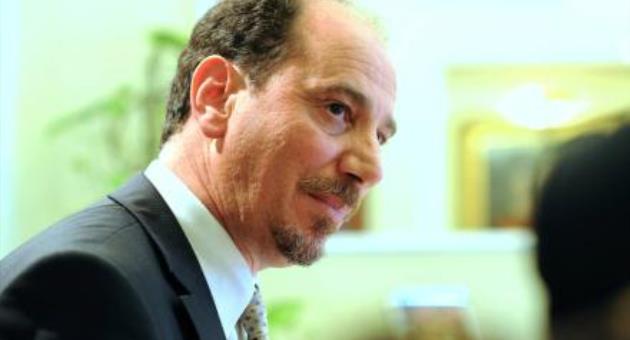
Godfrey Farrugia
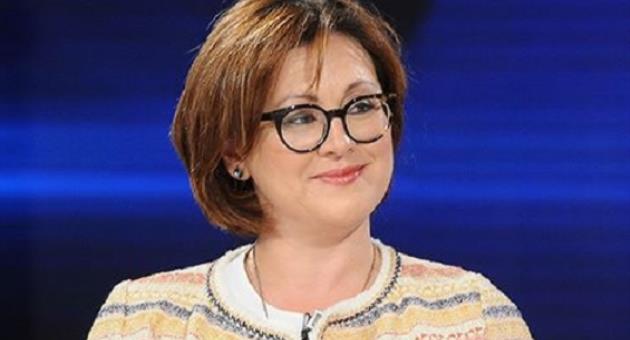
Marlene Farrugia
Many people overlook the fact that Marlene Farrugia lives with the Labour whip. Maybe it’s because they don’t know that Godfrey Farrugia is the Labour whip, or because they don’t know the significance of the whip, or even because they don’t know there is such a role and what it is that the whip is and does.
The name ‘party whip’ comes from the days in the British parliament when members of the house were ‘whipped in’ to the division lobbies for the vote at the sound of the division bell. These were literally (still are – you can visit them when next in London) separate panelled corridors for the Ayes and Noes like those used for cattle but much smarter. The vote was then tallied by the simple expedient of counting heads in the Aye and No lobbies.
In contemporary terms, the whip is the party’s enforcer in parliament, instructing members of the house how they should vote and informing them of the consequences if they do not toe the party line.
In the British system – which we have diluted through force of necessity, internal politics and small majorities in parliament – the party whips use a single-line, double-line and three-line whip.
The single-line whip: the party’s official policy and the date and time of the vote are made clear to MPs of that party, but there are no consequences for them if they do not turn up to vote.
The double-line whip: this is a formal order to every MP of that party to turn up and vote as told to vote.
The three-line whip: this is very serious business – MPs of that party are given strict orders to turn up and vote as told to vote. They are informed that there will be proper consequences if they do not do so, including the withdrawal of the whip or loss of any office they may hold independently of their seat.
The withdrawal of the whip: this means that the member of parliament from whom ‘the whip has been withdrawn’ no longer represents that party in parliament and has effectively been expelled from the party. He or she will not be permitted to stand for election again on the party ticket. MPs from whom the whip has been withdrawn continue to sit in parliament because they are elected. They cannot have their parliamentary seat taken away from them, though of course they may resign their seat of their own volition. A recent example from Maltese politics: Giovanna Debono was faced with a choice between resigning from the Nationalist Party or having the whip withdrawn. There is no effective difference, but the former, which she chose, comes across better.
So why am I explaining all this? You will have worked that out already. As the Labour whip, Godfrey Farrugia is the party’s enforcer in parliament and he’s the one whose job it is to ensure that Labour MPs all turn up to vote FOR the Zonqor Point project.
Yet he has joined his companion Marlene Farrugia in the Front Harsien ODZ, a new lobby group with the initial aim of stopping the government’s Zonqor Point project. Godfrey Farrugia was asked by one reporter how he plans to vote on this, and his response was that he doesn’t know yet and that it depends on how things evolve.
The proper question, of course, should have been what he plans to do about the fact that his opposition to the project makes it untenable for him to be the party whip whose job it is to make sure his fellow MPs vote for it.
There’s another question which springs immediately to my mind. The one Labour MP who has so far declared all-out war on the Zonqor development and said in the press that she plans to vote against it (in defiance of the whip) is the whip’s own companion Marlene Farrugia.
I could start feeling sorry for Godfrey Farrugia at this point – but what I really think he should do is take the advance measure of stepping down as whip, which would leave him completely free to oppose the development and vote against it.
As party whip, he can’t vote against it. His job is to make sure that everyone votes for it.